
Table of Contents
Short answer: Seven romantic getaways in California that work for couples are the redwoods of Jedediah Smith Redwoods State Park, the wine valleys of Napa and Sonoma, Death Valley National Park, Lake Tahoe, Half Moon Bay and Yosemite National Park. The parks have published entry fees: $8 per vehicle at Jedediah Smith, $30 per vehicle at Death Valley, $35 per vehicle at Yosemite (plus $100 per person for non-US residents aged 16 and over), $10 per vehicle at Emerald Bay State Park on Lake Tahoe and $10 per vehicle at Half Moon Bay State Beach. Napa and Sonoma have no entry fee; you pay per winery tasting.
Last checked: 11 November 2026 on the official National Park Service (nps.gov), California State Parks (parks.ca.gov), US Forest Service and official tourism websites. Fees, road status and opening seasons change, so re-check each official page before you travel. This guide is based on those sources, not on a personal visit.
Romantic getaways in California at a glance
| Getaway | Region | Official entry fee (checked 11 Nov 2026) | Good for |
|---|---|---|---|
| Jedediah Smith Redwoods State Park | Far north coast, near Crescent City | $8 vehicle day use | Quiet old-growth redwood walks |
| Napa Valley | North Bay wine country | No entry fee (winery tastings priced by each winery) | Wine tasting, food, the Napa Valley Wine Train |
| Sonoma Valley | North Bay wine country | No entry fee (tastings priced by each winery) | Smaller wineries, historic Sonoma Plaza |
| Death Valley National Park | Desert, eastern California | $30 private vehicle, 7 days | Winter sunshine, sunrise viewpoints, stargazing |
| Lake Tahoe (Emerald Bay State Park) | Sierra Nevada, California–Nevada line | $10 vehicle day use or $3 per hour parking | Lake views, snow trips, summer beaches |
| Half Moon Bay State Beach | San Mateo coast, south of San Francisco | $10 vehicle day use | Beach walks, harbour, small-town downtown |
| Yosemite National Park | Sierra Nevada | $35 private vehicle, 7 days; non-US residents 16+ add $100 per person | Waterfalls, granite cliffs, giant sequoias |
Sources: NPS fee pages for Death Valley and Yosemite; California State Parks pages for Jedediah Smith, Emerald Bay and Half Moon Bay (state parks say special rates may apply at peak times and prices can change without notice). Both national parks are cashless: pay by card or mobile payment.
1. Jedediah Smith Redwoods State Park
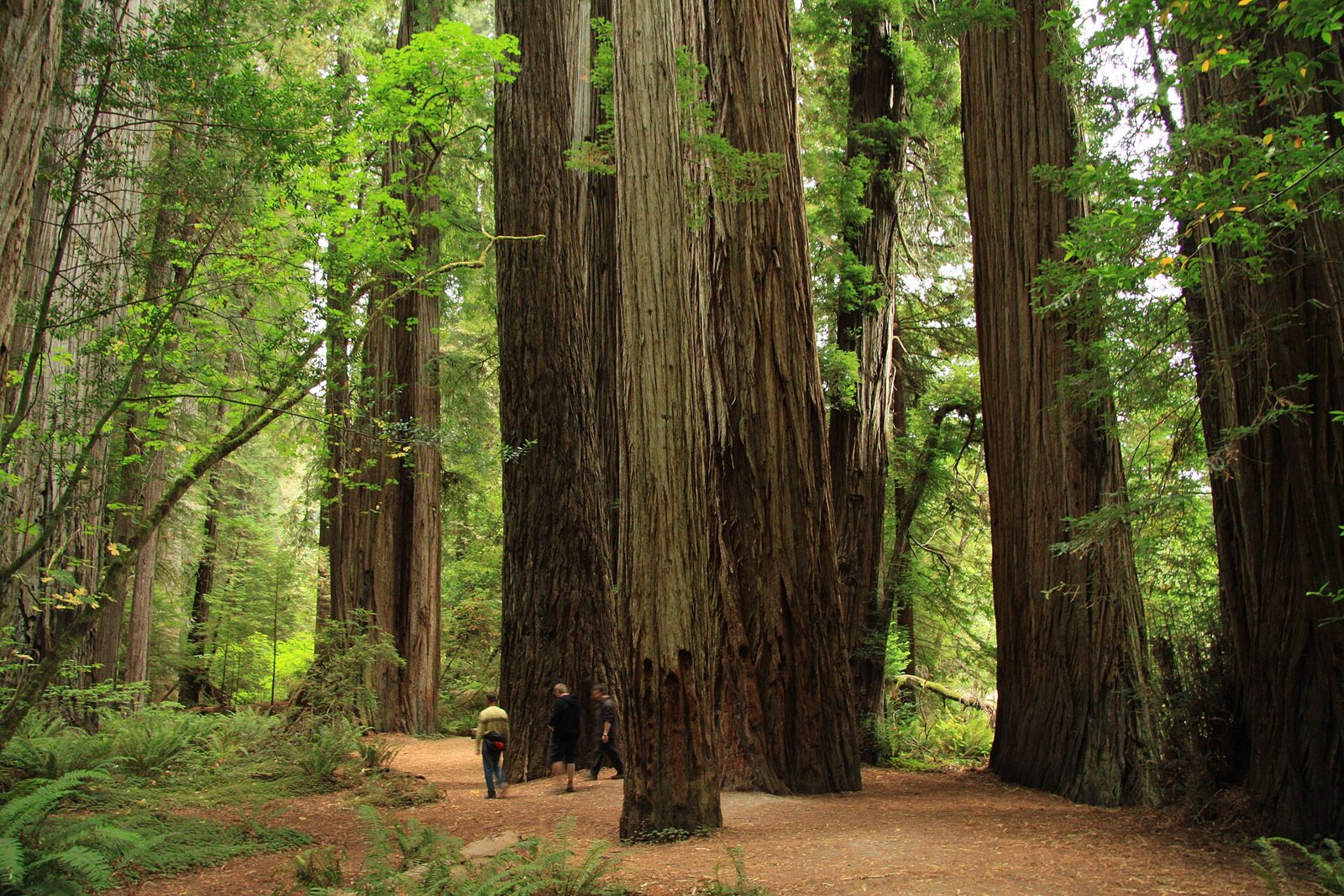
California State Parks says this park protects 10,000 acres of primeval redwood groves, with rhododendrons, azaleas and ferns under the giant trees. It is 9 miles east of Crescent City on Highway 199.
- Fee and hours: $8 vehicle day use; open all year, day use from sunrise to sunset (California State Parks, checked 11 November 2026).
- Staying overnight: the campground is open all year; from November to April sites are first come, first served. Crescent City has hotels if you prefer a room.
- Walks: Stout Memorial Grove is one of the park’s old-growth groves. Redwood National and State Parks lists the seasonal footbridges from Stout Grove to the Jedediah Smith campground and to Hiouchi as removed for the season, so check before planning a river crossing. Howland Hill Road was listed as open.
- Dogs: allowed in the park but not on trails (service animals excepted).
- Phone: (707) 464-6101.
Note: Fern Canyon, which often appears in redwood trip plans, is a different trail elsewhere in Redwood National and State Parks; the NPS says it needs a vehicle reservation between 15 May and 15 September.
2. Napa Valley
Visit Napa Valley, the official tourism site, groups the valley into five towns (Calistoga, St. Helena, Yountville, Napa and American Canyon) with hundreds of wineries. Its own advice for couples planning a tasting day is to book two or three winery visits, not more, because most tasting experiences take at least 90 minutes, plus driving time between them. Hiring a driver or tour company is the safer choice if you both want to taste.
- Napa Valley Wine Train: the official Wine Train runs restored historic railcars through the valley with lunch and dinner journeys (for example, 2.5-hour dinner rides). Prices vary by journey and date, so check the official site.
- Where to stay: the official site lists boutique inns, hotels and resorts in each town; rates change daily, so compare on the property’s own website.
3. Sonoma Valley
The official Sonoma Valley visitor site describes the valley as home to more than 100 wineries, from castle-style estates to modern tasting lounges, with restaurants and shops around the historic Sonoma Plaza.
- Like Napa, there is no entry fee: you pay per tasting at each winery or tasting room.
- The official events calendar lists seasonal events on and around Sonoma Plaza; check it for the dates you are travelling.
4. Death Valley National Park
The NPS calls Death Valley the hottest place on earth and the driest place in North America. The world-record air temperature of 134°F (57°C) was recorded at Furnace Creek on 10 July 1913, and summer days often top 120°F (49°C). The park says winter and spring are very pleasant, which makes November to March the comfortable window for a couples’ trip.
| Death Valley entrance pass (NPS) | Price |
|---|---|
| Private vehicle (everyone inside, 7 days) | $30 |
| Motorcycle (7 days) | $25 |
| Per person on foot or bicycle, age 16+ (7 days) | $15 |
| Death Valley annual pass | $55 |
Source: NPS Death Valley fees page, checked 11 November 2026. The page says all visitors, including non-US residents, may buy these passes, and the park does not accept cash.
- Where to stay inside the park (NPS lodging page): The Inn at Death Valley (historic resort) and The Ranch at Death Valley, both at Furnace Creek; Stovepipe Wells Village; and Panamint Springs Resort. All are listed as open all year. See also our where to stay in Death Valley guide.
- Road status now: the NPS conditions page (updated 1–3 November 2026) lists Scotty’s Castle and Bonnie Clare Road as closed with no reopening date, Titus Canyon Road closed with reopening expected in May 2027, and flood-related cautions on several roads after storms in late October and on 1 November 2026. Check the conditions page on the morning you drive.
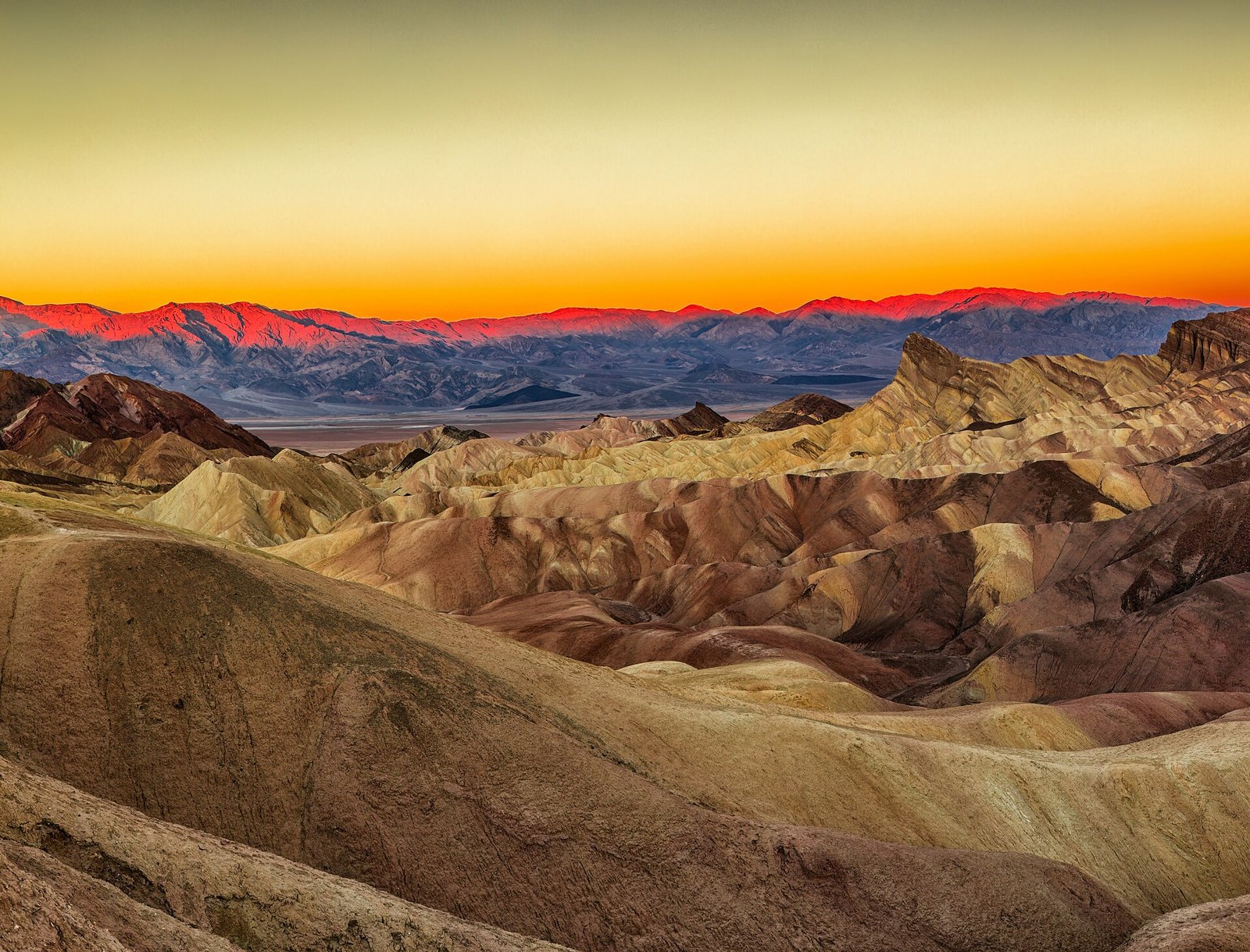
- Zabriskie Point and Badwater Basin, both listed by the NPS as places to buy a pass, are popular stops; Zabriskie Point is a well-known sunrise viewpoint.
5. Lake Tahoe
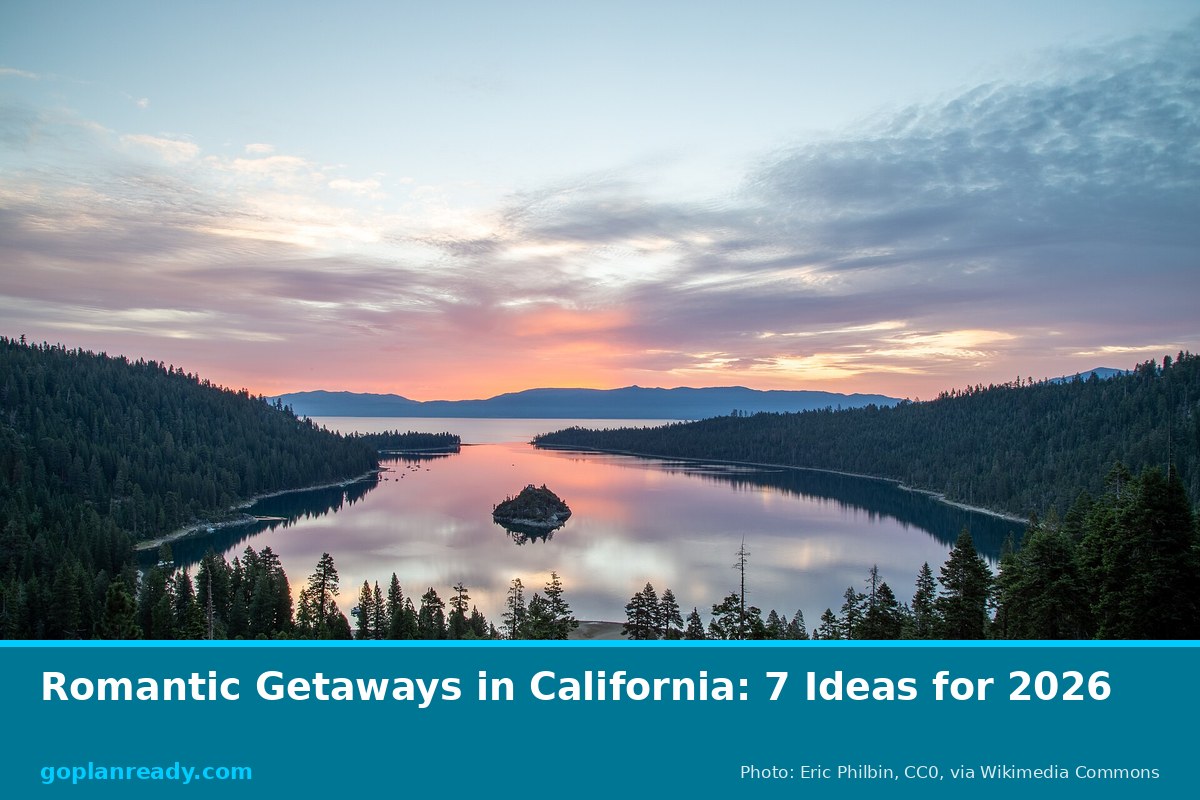
The US Forest Service (Lake Tahoe Basin Management Unit) describes Lake Tahoe as 22 miles long and 12 miles wide, with 72 miles of shoreline, a deepest recorded depth of 1,645 feet, and a lake level around 6,225 feet above sea level. The lake sits on the California–Nevada border, so part of the shoreline is in Nevada.
- Emerald Bay State Park (California side): $10 vehicle day use or $3 hourly parking; open sunrise to sunset; about 22 miles south of Tahoe City (California State Parks, checked 11 November 2026). Dogs are not allowed.
- Vikingsholm: the Scandinavian-style house at the head of Emerald Bay is reached by a 1-mile trail that drops about 500 feet (California State Parks). House tours are seasonal; the Sierra State Parks Foundation, the park’s non-profit partner, lists the 2026 tour season as finished at the end of September.
- Winter: expect snow at lake level and above in winter; check Caltrans road conditions before you drive.
6. Half Moon Bay
California State Parks describes Half Moon Bay State Beach as four miles of sandy beaches on the San Mateo coast, with gentle dunes, cool marine weather and quiet ocean views. The beach is about half a mile west of Highway 1, with three parking areas in the city of Half Moon Bay.
- Fee and hours: $10 vehicle day use; open 8 AM to sunset; dogs are not allowed on the beach (California State Parks, checked 11 November 2026). The park lists project work at Roosevelt Beach, so one access point may be affected.
- The official Visit Half Moon Bay site points visitors to the historic Main Street downtown and the shops and restaurants at Pillar Point Harbor.
7. Yosemite National Park
| Yosemite entrance pass (NPS) | Price |
|---|---|
| Private vehicle (everyone inside, 7 days) | $35 |
| Motorcycle (7 days) | $30 |
| Per person on foot, bicycle or horse, age 16+ (7 days) | $20 |
| Non-US residents aged 16+ (on top of the pass above) | $100 per person |
Source: NPS Yosemite fees page, checked 11 November 2026. The nonresident fee does not apply if you enter with an annual or America the Beautiful pass, per the same page. The park is cashless. For a fuller breakdown of the nonresident fee across parks, see US national park fees for foreigners.
- No timed-entry reservations in 2026: the NPS says Yosemite will not use a timed reservation system in 2026 and will manage traffic and parking on busy days instead.
- Right now: the NPS conditions page (read 11 November 2026) lists the main park roads as open, with 15-minute weekday delays at El Capitan Bridge (7 AM–7 PM, through December 2026) and on Big Oak Flat Road. The Mariposa Grove shuttle runs from about late April through November. The waterfalls are flowing low, as is usual in autumn. The page notes that it shows only planned or long-term closures and asks visitors to call 209/372-0200 (press 1, then 1) for up-to-date road conditions; in November, snow can close high roads such as Tioga Road at short notice.
- Where to stay: NPS lists The Ahwahnee and Yosemite Valley Lodge (both open all year), Curry Village (seasonal; formerly “Half Dome Village”) and the Wawona Hotel (currently closed). Bookings open 366 days ahead. Towns outside the park also have private lodging.
- More on the park itself: our Yosemite National Park guide.
Best time for a romantic getaway in California
- Death Valley: winter and spring (NPS); avoid summer heat.
- Redwoods and Half Moon Bay: open all year; California State Parks describes Half Moon Bay’s weather as consistently cool, and at Jedediah Smith the seasonal footbridges and campground booking rules change in winter.
- Napa and Sonoma: open all year; check each winery’s own tasting hours and booking rules.
- Lake Tahoe and Yosemite: summer for lakes and high country; winter brings snow and possible chain controls.
FAQ
What is the cheapest romantic getaway in California on this list?
By official entry fees, Jedediah Smith Redwoods State Park ($8 per vehicle) and Half Moon Bay State Beach or Emerald Bay State Park ($10 per vehicle) cost the least to enter. Napa and Sonoma have no entry fee, but tastings add up.
How much does it cost to enter Yosemite in 2026?
$35 per private vehicle for 7 days, $30 per motorcycle and $20 per person on foot or bicycle (age 16+). Non-US residents aged 16 and over pay an extra $100 per person unless they have an annual or America the Beautiful pass (NPS, checked 11 November 2026).
Do I need a reservation to enter Yosemite in 2026?
No. The NPS says Yosemite is not using a timed reservation system in 2026.
Is Death Valley a good winter getaway?
Yes. The NPS says winter and spring are very pleasant in Death Valley, while summer often tops 120°F. Check the road-status page for flood closures before driving.
Is there a Sonoma wine train?
We could not confirm a Sonoma wine train running today. The Napa Valley Wine Train is the official wine train in the area.
Sources (checked 11 November 2026)
- California State Parks – Jedediah Smith Redwoods State Park
- NPS – Redwood National and State Parks conditions
- Visit Napa Valley (official tourism site)
- Napa Valley Wine Train (official site)
- Sonoma Valley (official visitor site)
- NPS – Death Valley entrance fees
- NPS – Death Valley alerts and conditions
- NPS – Death Valley weather
- NPS – Death Valley lodging
- US Forest Service – Lake Tahoe Basin FAQs
- California State Parks – Emerald Bay State Park
- Sierra State Parks Foundation – Vikingsholm
- California State Parks – Half Moon Bay State Beach
- Visit Half Moon Bay (official visitor site)
- NPS – Yosemite fees and passes
- NPS – Yosemite entrance reservations (2026)
- NPS – Yosemite current conditions
- NPS – Yosemite lodging
Looking for more couple trips? See our romantic getaways in Ohio guide.
