

Table of Contents
Say hello to my fellow explorer! If you want to be at the beginning of the magnificent Ganga River, surrounded by huge Himalayan peaks like Shivling and Bhagirathi, the Gaumukh Tapovan Trek is the way to go. There is more to this hike than meets the eye. It’s a spiritual trip through stunningly beautiful nature that will leave you gasping for air (at over 14,000 feet). Time is crucial on this trip, though. If you choose the wrong time of year, you risk trail closures or potentially dangerous weather. So, we’re going to look into the best time for the Gaumukh Tapovan Trek based on what real trekkers have said and what experts have said.
We’ve helped hundreds of tourists get through this famous road at goplanready.com/, and we’re here to make sure your trip goes smoothly too. Let’s break down the seasons, weather, tips, and more to help you choose the best window, whether you’re going on a trip by yourself or with a group. Are you ready? Let’s keep going!
What is the Gaumukh Tapovan Trek?
Before we talk about time, let’s take a quick look at what you need to know. Gangotri is a famous town in Uttarakhand, India. The Gaumukh Tapovan Trek starts there and gets you to Gaumukh, the glacier that’s where the Bhagirathi River (which becomes the Ganga) starts. From there, you can go up to Tapovan, a field at about 14,600 feet that has a wonderful view of the Bhagirathi range and Mount Shivling (21,467 feet), which is covered in snow.
This 40–46 km round trip can take anywhere from 6 to 8 days, based on how fast you go and what you plan to do. It has open meadows, rocky moraines, and thick pine woods. It’s very spiritual, and many people come here to see how it relates to Hindu lore. When it comes to adventure, it’s exciting and challenging. Yes, you will need to get a permit from the Gangotri National Park forest department. The fee ranges from ₹150 to ₹600 for each person, based on their country.
If you want to do this tour in 2025, make your reservations early; spots go quickly during busy times!
Gaumukh Tapovan Trek Best Time
The sweet spot? From May to June and September to October. The weather, hikes, and breathtaking views are all at their best during these months. But let’s look at it season by season to help you make your choice, based on your tastes whether you want flowers in bloom, crisp fall colors, or fewer people.
Season-Wise Breakdown
Summer (May to June): Blooming Beauty and Pilgrim Energy
The walking season starts in the summer, when the snow melts and the paths open again. May still has some winter charm with spots of snow, and June is a flower lover’s dream with lush green fields and wildflowers like rhododendrons.
- Weather Conditions: At lower elevations, daytime temperatures are between 15°C and 22°C. At night in Tapovan, temperatures drop to between 0°C and 5°C. In late June, the skies are mostly clear, but it might rain in the afternoons sometimes.
- Pros: After winter, the scenery is new, it’s simple to get to the glaciers at Gaumukh, and the Char Dham Yatra travelers bring a lot of energy. Ideal for first-timers who want a calmer experience.
- Cons: The busiest time is during the Yatra in May. When the snow melts, the trails can get slippery, and when the Bhagirathi River rises, it can be harder to cross.
- Best Months: Early May is best for people who like snow, and mid-June is best for people who enjoy greenery.
This is our top choice for families or groups at GoPlanReady. The crowds improve the experience, and we take care of all the details so you can enjoy the views.
Monsoon (July to August): Risky and Often Avoided
When it rains hard in the Himalayas, most people can’t go on this trip.
- Weather Conditions:
- Pros: Lush, green scenery if you’re lucky with a dry spell. Fewer people mean a more solitary feel.
- Cons: High risk of landslides, rockfalls, and flash floods. Trails become slippery and dangerous, especially the steep ascent to Tapovan. Permits might be restricted, and many operators (including us) pause trips for safety.
- Best Months: None really skip it unless you’re an expert with flexible plans.
Pro tip: If you like the raw energy of the monsoon, you might want to look into safer options like valley hikes in Himachal. But what about Gaumukh Tapovan? Hold on.
Autumn (September to October): Crystal-Clear Views and Serenity
After the rain, magic! When it rains, the dust is washed away, leaving behind beautiful scenery and calm weather.
- Weather Conditions: Crisp days at 10-18°C, with nights dipping below 0°C in Tapovan. Clear blue skies and minimal rain are ideal for long-distance vistas.
- Pros: Stunning autumn colors in meadows, frozen glaciers for easier walking, and fewer crowds. Peaks like Meru and Shivling shine without haze.
- Cons: Colder nights require extra layers. Late October might see early snowfall, closing trails unpredictably.
- Best Months: Mid-September for post-rain freshness; early October for peak foliage.
Right now is the best time for experienced hikers who want to find peace. At GoPlanReady, our fall groups often talk about how quiet it is. Picture meditating at Tapovan with only the wind and mountains for company.
Winter (November to April): Closed for Snow
In the winter, the area is a frozen paradise, but trekking? Trekking is not permitted during this time.
- Weather Conditions: Sub-zero temps (-5 to -20°C at higher altitudes), heavy snowfall, and blizzards. Gangotri town empties.
- Pros: If you’re into extreme winter sports (not trekking), the scenery is ethereal.
- Cons: Trails are buried under snow, avalanches are a threat, and the route is officially closed. No permits issued.
- Best Months: None for trekking head to lower altitudes like Rishikesh for yoga retreats instead.
In summary, stick to May-June or Sept-Oct for the best shot at completing the trek safely and enjoyably.
Weather Conditions Throughout the Year
It’s important to know the weather before you pack and plan. It’s cool in the summer in Gonatri (about 10,000 feet), but at 14,600 feet, Tapovan feels like the high Arctic all year. Things can change quickly it can be warm in the morning and windy in the afternoon.
- Temperature Ranges: Summer: 5-22°C; Autumn: -5-18°C; Monsoon: 5-20°C with humidity; Winter: -20-5°C.
- Precipitation: Minimal in peak seasons, but monsoon brings daily downpours. Snowfall starts in late Oct/Nov.
- Wind and Visibility: Autumn wins for low winds and high visibility perfect for those epic summit views.
Check predictions all the time with apps like AccuWeather, or contact us at GoPlanReady for up-to-date information in real time.
Trek Difficulty and Preparation
This walk is moderately tough and requires fitness. Every day you’ll walk 8 to 12 km, with steep 1,000-foot climbs on rough, hilly ground. Altitude sickness (AMS) is a real risk above 12,000 feet. Headaches and feeling sick are some of the signs.
- Who It’s For: Fit beginners to experienced hikers aged 12-62. Not ideal for those with heart/lung issues.
- Preparation Tips:Start training 2-3 months out:Jog 5 km thrice weekly, do squats/lunges, and practice hiking with a 10-kg backpack. Acclimatize in Gangotri for 1-2 days.
- Duration and Distance: 6-8 days, 40-46 km total. Key stages: Gangotri to Chirbasa (easy), Bhojbasa to Gaumukh (moderate), and Gaumukh to Tapovan (steep and tough).
We suggest going with a lead group. At GoPlanReady, our expert leaders know all the shortcuts and carry air and first aid supplies.
Ideal Time for Photography and Scenic Highlights
Photographers, be joyful! There are glaciers, fields, and peaks to see on this hike.
- Best Season for Shots: September-October for sharp, haze-free images. The golden hour at Tapovan captures Shivling in the alpenglow. May-June offers snowy contrasts and blooming flowers.
- Tips: Pack a wide-angle lens for panoramas. Early mornings avoid crowds; use drones sparingly (permit required).
- Safety Note: Don’t stray off trails for that perfect shot loose rocks and crevasses are hazards.
Safety Tips for Gaumukh Tapovan Trek
Safety first; the Himalayas are unforgiving.
- Altitude Sickness: Hydrate (4-5 liters/day), ascend slowly, and take Diamox if prescribed. Watch for symptoms; descend if needed.
- Weather Hazards: Pack rain gear and thermals. Avoid solo treks; join groups for emergency support.
- Wildlife and Terrain: Bears and leopards lurk stick to paths. Use trekking poles for stability on moraines.
- Permits and Guides: Mandatory park entry; hire certified guides. We include all this in our packages.
- Emergency Prep: Carry ID, insurance, and a satellite phone. Our teams have stretchers and hel evac options.
Trek responsibly, leaving no trace, to preserve this sacred spot.
Travel Tips and Essentials for a Smooth Journey
Planning makes perfect. Here’s your checklist:
- How to Reach: Fly to Dehradun (Jolly Grant Airport), then drive 250 km to Gangotri (8-10 hours). We offer pickups from Dehradun.
- Packing List:
- Clothing: Layered thermals, fleece, waterproof jacket, gloves, hat.
- Gear: Trekking shoes (broken-in), backpack (40-50L), sleeping bag liner, headlamp.
- Essentials: sunscreen (SPF 50+), lip balm, a reusable water bottle, energy bars, and personal medications.
- Budget Tips: Expect ₹15,000-25,000 per person for guided treks (food, tents, and permits included). Book with us for discounts!
- Eco Tips: Use biodegradable products; avoid plastics.
- Cultural Notes: Respect local customs Gangotri is a pilgrimage site.
Pro Tip: Arrive a day early in Gangotri for temple visits and acclimatization.
How to Book Your Gaumukh Tapovan Trek with GoPlanReady
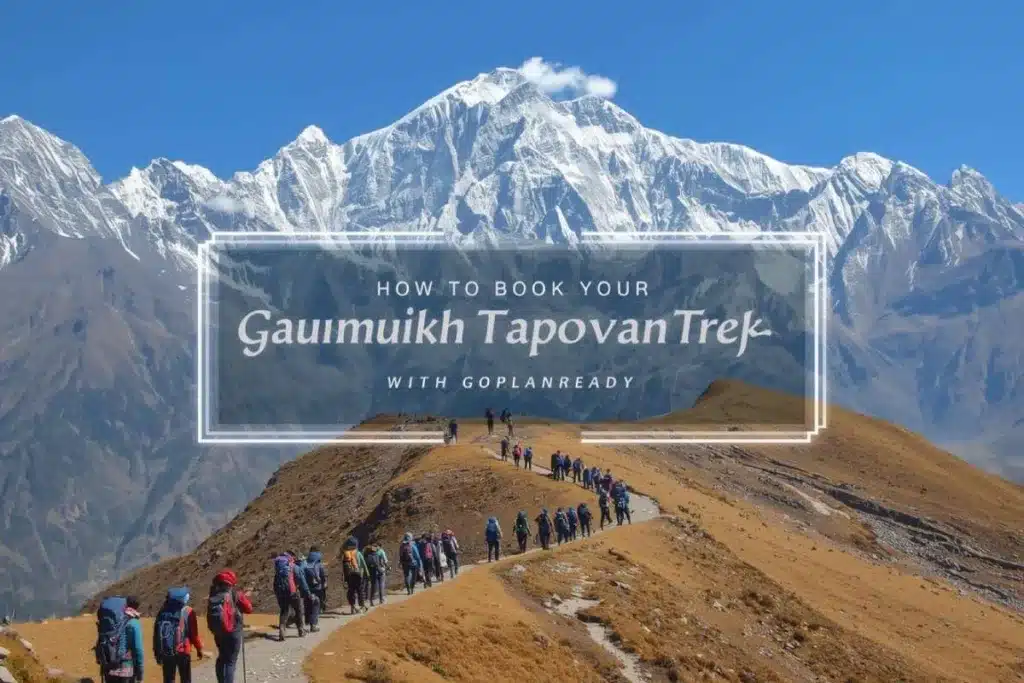
Are you ready? We specialize in unique Himalayan trips here at goplanready.com/. Transportation from Dehradun, food, tents, guides, and insurance are all part of our trips, which start at ₹18,000. You can pick from normal 7-day plans or add-ons like photography classes.
- Why Us? We offer small groups with a maximum of 15 participants, eco-friendly practices, and 24/7 support. 95% of our trekkers rate us 5 stars!
- Booking Steps: Visit goplanready.com/gaumukh-tapovan, select dates, fill out the form, and pay a 20% deposit. We handle permits and gear rentals.
- 2025 Dates: May 10-17, June 5-12, Sept 15-22, Oct 1-8. Limited spots book now!
Don’t just dream; let’s make it happen. Contact us at [email protected] or +91-123-456-7890.
Frequently Asked Questions (FAQs)
What is the best time for the Gaumukh Tapovan Trek?
May-June and September-October offer the best weather and open trails. Summer for vibrancy, autumn for clarity.
Is the Tapovan Trek open in winter?
No, it’s closed from November to April due to heavy snow and safety risks.
What is the best month for beginners on the Gaumukh Trek?
June or September: milder conditions and guided support make it accessible.
How cold does it get during the Gaumukh Tapovan Trek?
During autumn, temperatures at Tapovan can drop to -5°C, so it is advisable to pack warm layers throughout the year.
Can I do the Gaumukh Tapovan Trek during the monsoon?
Not recommended landslides and floods make it dangerous. Wait for post-monsoon.
What permits do I need for the Gaumukh Tapovan Trek?
Forest department permits from Uttarkashi or Gangotri. We include them in our packages.
Is the Gaumukh Tapovan Trek suitable for solo travelers?
Yes, but join a group for safety. Our solo-friendly trips pair you with like-minded adventurers.
What’s the ideal time for photography on the Gaumukh Tapovan Trek?
September-October for clear skies and colorful meadows.
There you have it: your comprehensive guide to timing the Gaumukh Tapovan Trek perfectly. Whether you’re chasing spiritual solace or Himalayan highs, the right season unlocks it all. Head over to goplanready.com/ to secure your spot for 2025. Safe travels, and may the mountains inspire you!
